
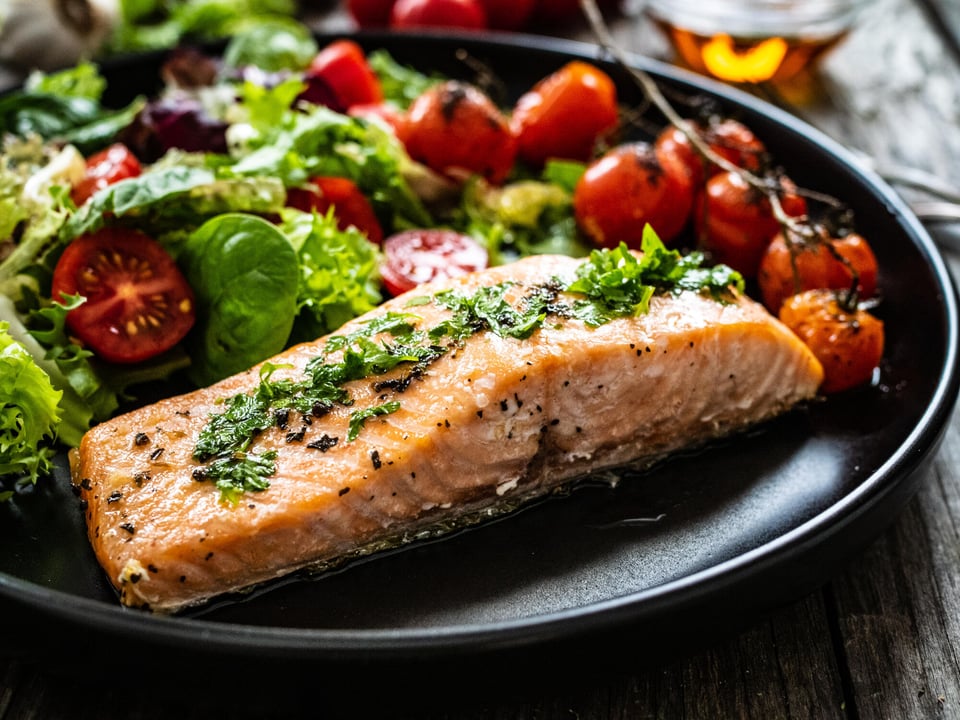
What are the best foods for brain health? Older adults can support sharper thinking and healthier cognitive aging by choosing nutrient-rich foods that help protect memory and brain function. In assisted living settings, meals built around fatty fish, colorful fruits and vegetables, nuts, whole grains, and other brain-supportive ingredients deliver essential fats, antioxidants, vitamins, and steady energy throughout the day.
Have you ever wondered why some diets are linked with better memory and slower cognitive aging as we grow older? Today, we're taking a closer look at the science behind brain food for seniors, how nutrition and memory are connected, and practical ways assisted living communities incorporate brain-friendly meals into their daily dining to support healthy aging diets that promote senior cognitive support.
It's great info for seniors in Shelbyville, Indiana, a welcoming small city in central Indiana known for its friendly community, local parks, and convenient access to Indianapolis.
How Nutrition Supports Memory and Cognitive Function
Food choices can shape how the brain works day to day, especially as people get older. The right nutrients can help the brain stay steady, alert, and better supported over time.
- Steady energy for the brain
- Nutrients that protect brain cells
- Better blood flow and hydration
Steady Energy for the Brain
The brain needs a constant supply of fuel, and it runs best when blood sugar stays stable. Meals with whole grains, beans, and fiber-rich foods help prevent energy crashes.
That can support focus and reduce mental fatigue. For many older adults, this matters for daily routines and staying engaged.
Nutrients That Protect Brain Cells
Some foods contain antioxidants and healthy fats that support brain structure. Leafy greens, berries, nuts, and fish fit well into healthy aging diets.
They can play a role in senior cognitive support by helping the body manage inflammation and stress over time. That's one reason brain food for seniors often includes colorful produce and omega-3 fats.
Better Blood Flow and Hydration
Brain function depends on good circulation and enough fluids. Dehydration can affect attention and mood, even when it's mild. Balanced meals, water-rich foods, and regular drinks support nutrition and memory in a simple, steady way.
What Are the Best Foods For Brain Health?
The best brain-friendly meals often include foods that support steady energy, healthy blood flow, and less inflammation. For many older adults, the goal isn't a perfect diet. It's choosing brain food for seniors that's realistic, enjoyable, and easy to eat each day.
- Omega-3-rich seafood
- Colorful produce and leafy greens
- Nuts, seeds, and healthy fats
- Whole grains and fiber
- Protein-rich staples
Omega-3-Rich Seafood
Salmon, sardines, and trout are often seen as top choices for brain health. They're rich in omega-3 fats, which support the structure of brain cells. Seafood can work well in assisted living dining, since it's easy to bake, grill, or serve in salads.
Colorful Produce and Leafy Greens
Spinach, kale, berries, and other colorful fruits and vegetables bring antioxidants and key nutrients. They fit into healthy aging diets through simple sides, soups, and smoothies. Many seniors enjoy them more when they're cooked until tender.
Nuts, Seeds, and Healthy Fats
Walnuts, flaxseed, chia seeds, and olive oil add healthy fats that support senior cognitive support. They can be mixed into oatmeal, yogurt, or salads without adding much effort.
Whole Grains and Fiber
Oats, brown rice, and quinoa provide steady fuel. They help avoid sharp blood sugar swings, which can affect focus and mood. That steady energy supports nutrition and memory over time.
Protein-Rich Staples
Eggs, beans, and lentils offer protein and helpful nutrients like choline. They're flexible ingredients for breakfast, lunch, or dinner, and they work well in many brain-friendly meals.
Brain-Friendly Meals in Assisted Living: How Dining Makes Healthy Choices Easier
Healthy aging diets work best when they're consistent, and that's often easier in an assisted living community. Regular mealtimes help seniors eat enough throughout the day, which supports steady energy and fewer skipped meals.
Dining teams can plan menus that include brain food for seniors like fish, leafy greens, whole grains, and fresh fruit. That steady routine can make nutrition and memory support feel more natural, not like a daily chore.
Many communities serve balanced plates that include protein, fiber, and healthy fats at each meal. That matters for seniors who don't feel hungry often or get full quickly.
Brain-friendly meals can be adjusted for different needs, too. Some residents do better with softer foods, smaller portions, or extra snacks between meals.
Staff can help with hydration reminders and simple drink choices that are easier to finish. Over time, those small supports add up and provide real senior cognitive support without making meals feel restrictive.
Frequently Asked Questions
How Do Hydration and Electrolytes Affect Brain Function in Older Adults?
Hydration plays a bigger role in brain health than many people realize. Even mild dehydration can affect attention, mood, and short-term memory.
Electrolytes like sodium and potassium help the body keep fluids balanced. Seniors may fall behind on fluids if they don't feel thirsty or avoid drinks to reduce bathroom trips. Water, herbal tea, milk, and broth can all help. Fruits like melon and oranges add fluids, too.
Are There Specific Vitamins That Support Memory as We Age?
Certain nutrients are linked with brain function and may support nutrition and memory over time. B vitamins help with energy and nerve health.
Vitamin D supports many body systems, including the brain. Choline, found in eggs, plays a role in memory and learning.
Magnesium supports nerve signaling and sleep quality. Food sources usually work best, but some seniors may need supplements if a doctor recommends them.
Brain Health for Seniors
So, what are the best foods for brain health? Meals with fish, leafy greens, berries, whole grains, and healthy fats can support nutrition and memory.
At Walker Place Assisted Living, we're proud to offer a warm, welcoming assisted living community in Shelbyville, Indiana, located right across from the Intelliplex Medical Center. We provide compassionate, personalized support with individualized care plans. Residents enjoy engaging activities like tai chi, bingo, games, and fireside chats.
Get in touch today to find out how we can help with your loved one's care.