-2.jpg?width=960&length=960&name=mental%20health%20stigma%20(1)-2.jpg)
Holistic mental health care goes beyond the mind to create a balance in all parts of life. The spirit, body, and social relationships also factor in to get a complete picture.
Data from Huntington Psych says that between 15 and 20% of adults over 60 have a mental or neurological disorder. Physical problems often compound them, and understanding the link is the key to effective treatment.
Senior living in Shelbyville, IN, offers small-town charm with a developing downtown. It now features attractions such as the Indiana Derby and Indiana Grand Racing and Casino.
What Is Holistic Mental Health?
What makes a focus on holistic mental health different is that it doesn't just focus on disease symptoms. It looks at all parts of a person, including:
- Mental
- Emotional
- Physical
- Spiritual
- Social
This helps stop problems from spreading from one area to another. It also creates more personalized plans that patients contribute to, giving them more agency.
What Are the Seven Activities of Daily Living?
Activities of daily living, or ADLs, are the daily tasks everyone needs to get through the day. The seven basic ADLs include:
- Bathing
- Dressing
- Eating
- Transferring
- Toileting
- Continence
- Personal hygiene
Pay attention if you begin to have difficulty with ADLs. It may be time to consider a move to a senior living community. One of the best options is assisted living in Shelbyville, IN.
A common misunderstanding is that the move will mean missing out on all of your favorite activities. The truth is that the support the community provides can open the door to helping you do even more.
Four Types of Assisted Living Activities to Boost Holistic Mental Health
An assisted living community in Shelbyville, IN, can cultivate holistic mental health by offering the right activities.
Seniors require more than exercise to build their overall well-being. They also need socialization opportunities and brain-building opportunities.
1. Social Activities
Mental or physical problems make seniors one of the most at-risk age groups for social isolation. Michigan Medicine data shows that approximately one in three seniors feels lonely or isolated.
This is a significant problem for emotional health in aging. It can lead to issues such as depression and anxiety. Seniors may also experience unexplained aches or pains and even have shorter lifespans.
Assisted living communities include social activities. They could be as simple as a movie night or a group outing.
These social events help seniors feel healthy socially and mentally. They help foster a sense of connection and belonging. They also prevent loneliness and improve mood.
2. Gentle Exercise
Only around 15% of those over 65 get the recommended amount of physical activity. Exercise becomes more important as we age, but it also gets more difficult.
Aches and pains can be compounded by lower motivation from depression. Transportation to workout facilities can also be a problem.
One of the best activities and amenities that assisted living communities offer is active senior wellness programs. They make getting exercise easier, more social, and more fun. Options may include:
- Chair yoga
- Tai chi
- Walking
- Strength training
- Aquatic aerobics
They can also be tailored to seniors with different mobility challenges. Adjusting the length and complexity of the exercises is part of creating a holistic health plan.
Getting enough exercise not only prevents physical issues such as heart disease. It also reduces the risk of injuries and falls. It maintains strength and flexibility. It's also a major mood-booster.
3. Creative and Brain-Boosting Activities
Cognitive support activities at assisted living include:
- Art or music therapy
- Painting
- Arts and crafts
- Puzzles
They encourage self-expression and creativity. They're an easy way to get cognitive stimulation. It can slow down any existing cognitive decline. They also improve emotional resistance and combat boredom.
4. Mindfulness and Relaxation Activities
Holistic mental health practices don't rely solely on traditional methods. They use activities to help seniors live in and get through every moment. These may include:
- Mindfulness and meditation classes
- Journaling
- Sensory-based activities, such as listening to music
They help with anxiety and emotional balance. They can also combat stress and improve emotional resilience.
Frequently Asked Questions
What Does a Holistic Therapist Do?
A holistic therapist is all about whole-person care. They value and look into the connections between every part of a person.
They work to identify the root cause of problems. Is long-held trauma the cause of your back pain? Is a fear of falling after a nasty spill the reason you're afraid to go outside? They'll work to find out.
Depending on the therapist, they'll use a combination of traditional and alternative therapies such as:
- Talk therapy
- Mindfulness exercises
- Yoga
- Accupuncture
- Bodywork
- Art or music therapy
- Aromatherapy or sound therapy
Working with the entire person means that they can help with a variety of issues. There are several reasons that you may want to consider working with a holistic therapist. They can help you achieve balance and overcome issues such as:
- Stress
- Anxiety
- Grief and trauma
- Depression
- Physical pain
- Addiction
What are the Signs of Poor Well-Being?
Taking a holistic view of well-being means noticing more than physical changes. You should also be aware of differences in your mental state or how you behave. They may be more subtle, but they are just as important.
General signs of poor well-being include:
- Drop in functioning
- Problems concentrating
- Changes in speech
- Loss of desire to participate in activities
- Increased sensitivity
- Decline in personal care
- Mood swings
- Changes in sleep or appetite
- Unusual or odd behavior
It takes time to create a balance in all areas of your life. Once you do, you'll notice an improvement in your well-being.
Find Whole-Person Care at an Assisted Living Community in Shelbyville, IN, Today
Holistic mental health care acknowledges that every part of a person is connected. The mind affects the body and vice versa. Holistic care helps maintain balance for better overall well-being.
Walker Place Assisted Living is a vibrant assisted living community in Sleybville, IN. We offer compassionate care in a home-like setting. We create individual, holistic care plans.
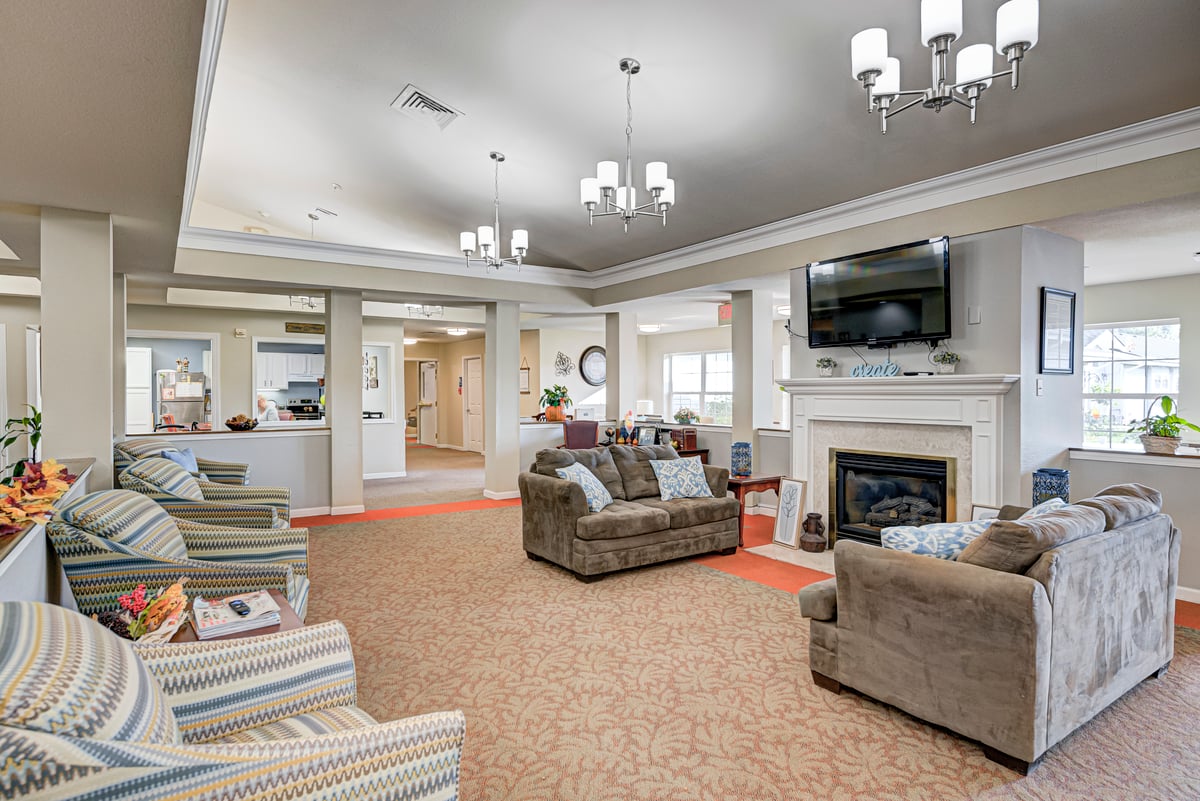
Private apartments or suites sit next to our amenities, including lovely outdoor spaces. Residents can play games or chat by the fireside or go on group outings.
Contact us to learn more about the Walker Place lifestyle today.